
Yes, Lilac French Bulldogs may have a higher risk of certain skin and coat concerns compared with non-dilute Frenchies, especially when it comes to Color Dilution Alopecia, also called CDA.
But no, a Lilac Frenchie is not automatically unhealthy, broken, or doomed to a lifetime of vet bills. The honest truth sits somewhere in the middle: the lilac coat is beautiful, rare, and high-maintenance.
Your lilac Frenchie has clear skin, no bald patches, no strong odor, no constant itching, and breathes comfortably.
Hair thinning, flaky skin, bald spots, raw paws, corn-chip smell, red wrinkles, constant scratching, overheating, limping, weakness, or breathing trouble.
The Honest Truth Behind the Lilac Frenchie Hype
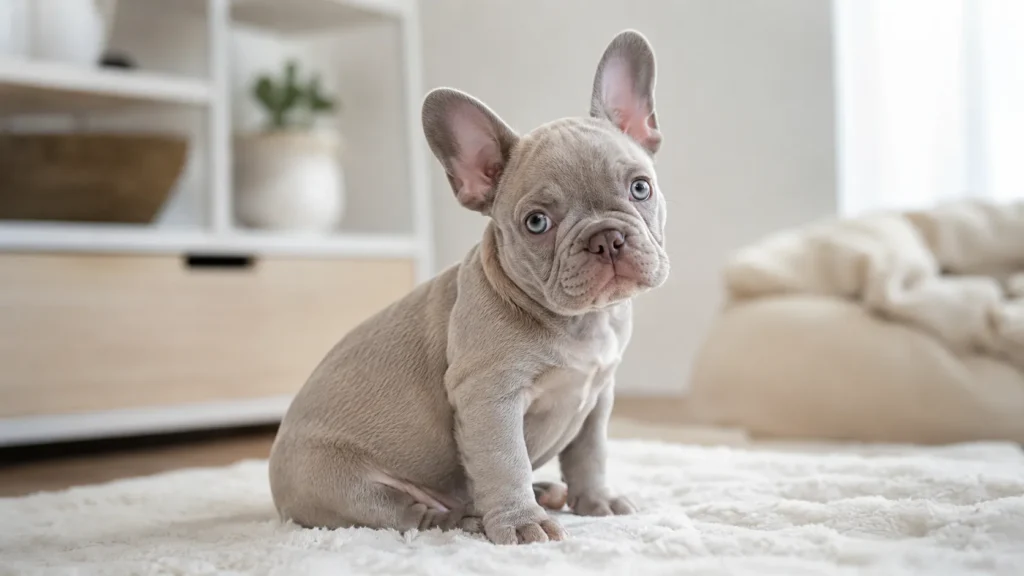
Let’s be honest: the first time you see a Lilac French Bulldog, your jaw drops.
That soft silver-purple coat.
Those pale eyes.
That expensive-looking little potato body waddling around like royalty.
It is completely normal to understand why people fall in love so fast.
But after the “aww” moment comes the serious question:
Is this rare color too good to be true?
Because if someone has spent even five minutes researching Frenchies, they already know this breed is not exactly the “low-maintenance dog” of the canine world. Add a rare color like lilac, and suddenly the internet starts shouting about skin disease, bad breeders, allergies, and terrifying vet bills.
So let’s cut through both sides: the breeder hype and the online panic.
A Lilac Frenchie can be a wonderful, happy dog. But the coat color does come with a few things every future owner should understand before paying rare-color money.
Table of Contents
What Actually Makes a Frenchie Lilac?
A lilac coat is not just “light gray.” It usually happens when a French Bulldog inherits a specific combination of dilution and chocolate-related color genetics. The result is a soft, washed-out coat that can look silver, lavender, pale brown, or dusty purple depending on the lighting. That is why some lilac Frenchies look almost icy gray, while others have a warmer milk-chocolate tint.
The problem is not that the color is ugly, obviously, it is stunning.
The concern is not that the lilac color itself is “bad.” The concern is that dilute-colored coats can sometimes be linked with weaker hair shafts and more sensitive skin. Veterinary sources describe Color Dilution Alopecia as a genetic condition associated with dilute haircoats, causing patches of hair thinning or loss and sometimes flaky or itchy skin. That is where the real health conversation begins.
Are Lilac French Bulldogs Recognized by the AKC?
This is where things can get confusing.
A French Bulldog can be a real French Bulldog, but that does not mean every coat color is accepted in the AKC show standard. The AKC French Bulldog standard lists acceptable colors such as white, cream, fawn, and combinations of those, while other colors and patterns are disqualifications in the show ring. The AKC standard also lists blue, blue fawn, liver, and merle among disqualifying colors and patterns.
So when people ask whether lilac is “AKC recognized,” the better question is:
Are we talking about registration, or are we talking about show-standard color? For everyday owners, the bigger issue is not whether the shade sounds fancy. The bigger issue is whether the dog was bred with health, breathing, skin, structure, and temperament in mind.
| Question | Honest Answer |
|---|---|
| Is lilac rare? | Yes, it is a rare coat color. |
| Is lilac automatically unhealthy? | No. |
| Is lilac always accepted in the show standard? | Not always for show standards. |
| Should color be the main buying reason? | No. Health and breeder ethics matter more. |
A rare coat may make a puppy more expensive, but it does not automatically make the puppy better bred. That part matters. A lot.
The Big One: Color Dilution Alopecia in Lilac French Bulldogs
If there is one condition every future Lilac Frenchie owner should know, it is this: Color Dilution Alopecia, or CDA.
CDA is a coat and skin condition that can affect some dogs with dilute coloring, including blue, lilac, Isabella-type, and some dilute fawn dogs.
The Tricky Part?
A lilac puppy may look perfectly fluffy and healthy at first. Then months later, the coat slowly starts changing. According to VCA Hospitals, puppies with CDA are often born with a normal-looking coat, and signs may begin around six months of age or older.
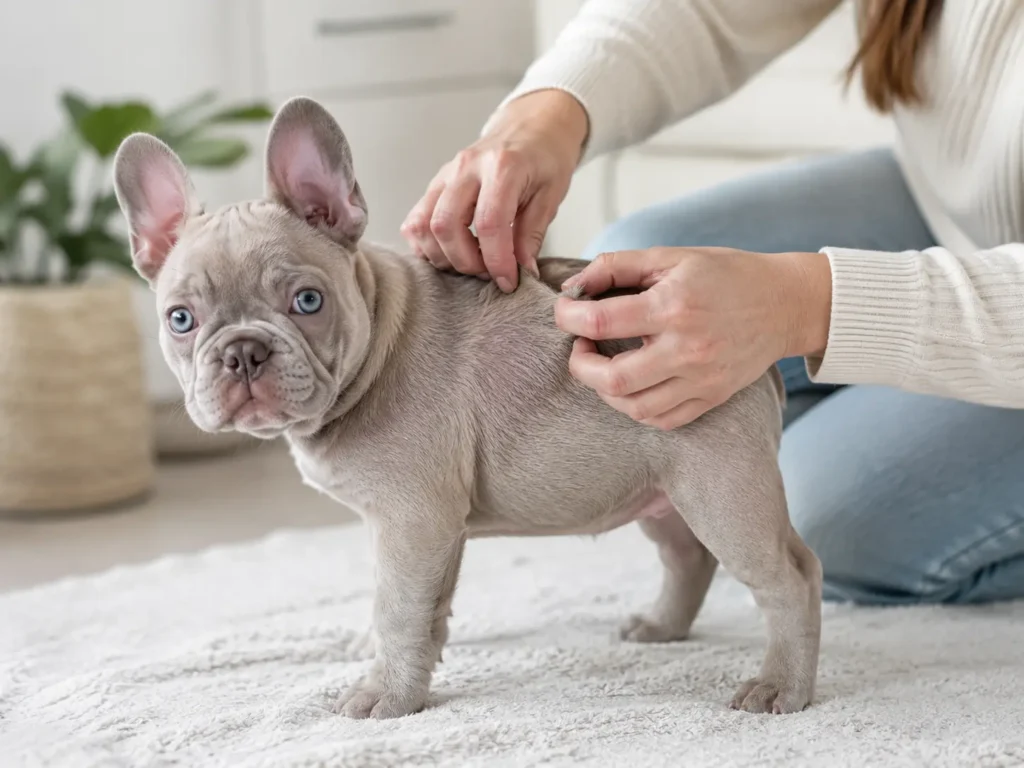
What CDA Can Look Like
Color Dilution Alopecia may show up as:
It often appears gradually, which is why many people miss the early signs.
Is CDA Painful?
CDA itself is not always painful. But the skin problems that come after it can become uncomfortable. When the coat becomes thin, the skin loses some natural protection.
“My dog has thin hair.”
This is where many people stop, assuming the problem is only cosmetic.
“My dog’s skin now needs more protection than before.”
Thin coat areas can leave sensitive skin more exposed to everyday triggers.
When the coat becomes thin, a Frenchie may become more vulnerable to:
That is the part many rare-color sellers forget to mention: thin coat areas are not just a cosmetic issue. They can mean the skin needs extra protection.
CDA vs Mange vs Allergies: What’s the Difference?
This is important because hair loss does not always mean CDA. Sometimes it is mange. Sometimes it is allergies. Sometimes it is yeast. Sometimes it is fleas. And sometimes a Frenchie rolled in something suspicious and decided to make it everyone’s problem.
Here is a simple way to think about it:
The Daily Struggle: Skin Allergies & Sensitive Skin
Even if a Lilac Frenchie never develops full CDA, skin can still be the daily battle.
French Bulldogs are commonly discussed by owners and vets for skin sensitivity and allergy-type symptoms. Add a more delicate coat situation, and suddenly the skin becomes a full-time detective case.
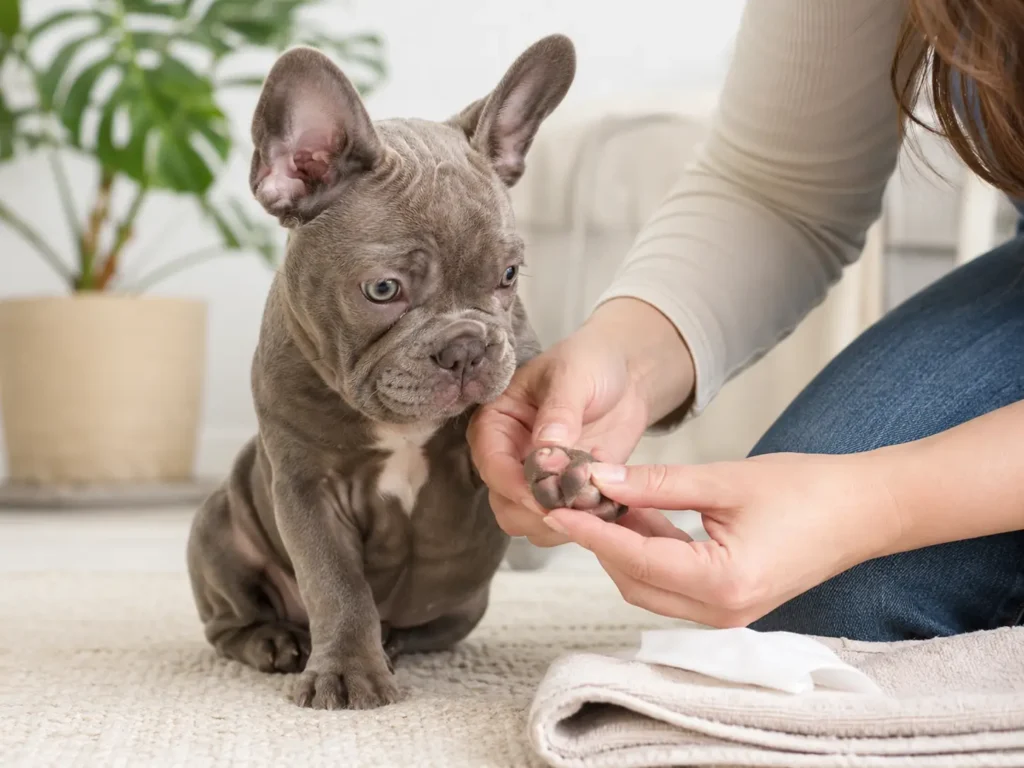
Common signs include:
If paw licking is the main symptom you are trying to understand, I covered that problem in more detail here: Why Your Frenchie Licks Their Paws at Night: 7 Causes & Safe Fixes.
Frenchies are dramatic little creatures, but constant scratching is not drama. It is usually a signal. And once scratching starts, the cycle can get ugly fast:
Tiny red spot, big problem: this is how one small irritation can turn into a 2 AM paw-licking concert.
Quick Health Risk Check for a Lilac Frenchie
Use this as a simple “what am I looking at?” guide when something feels off, whether it is a bald patch, a strange smell, red paws, heavy snoring, or sudden limping.
Lilac Merle, Lilac Fawn, Lilac and Tan: Are They Different Health-Wise?
Breeders may use different terms depending on coat pattern, shade, and marketing angle. Some of those terms are useful. Some are just fancy labels designed to make the price tag feel less painful.
Instead of memorizing every name, look at what the variation actually means.
Lilac vs Blue French Bulldog: Which One Has More Health Problems?
People often compare lilac vs blue French Bulldogs because both are rare dilute colors and honestly, it makes sense. They can look similar, especially in photos where lighting, filters, and breeder editing are doing a little too much work.
Here is the simple breakdown:
Gray-blue dilute coat
Pale silver-lavender coat
Main color-related concern: both blue and lilac French Bulldogs need careful skin monitoring because dilute coats may be linked with CDA and skin sensitivity.
Health difference: lilac is not automatically healthier than blue, and blue is not automatically healthier than lilac.
The Breeder Problem: Rare Color Should Not Be the Whole Sales Pitch
Lilac Frenchies are expensive. And whenever a dog color becomes expensive, bad breeders show up. Some breeders care deeply about health. Others only care about producing the next “rare” shade that looks good on Instagram. That is where buyers get trapped.
Be careful if a breeder:
- Talks more about color than health
- Uses “rare,” “exotic,” and “limited” in every sentence
- Cannot show health testing
- Avoids questions about breathing
- Avoids questions about skin problems
- Will not show the parents
- Pressures buyers to send a deposit quickly
- Sells based only on photos
- Has multiple rare-color litters all the time
A good breeder should be willing to talk about:
- Nostrils
- Breathing
- Spine health
- Allergies
- Skin history
- Parent temperament
- Vet checks
- Genetic testing
- Contract terms
The Normal Frenchie Stuff Still Applies
It is easy to blame everything on the lilac coat, but the truth is simple: A Lilac French Bulldog is still a French Bulldog. That means all the classic Frenchie health concerns are still on the table.
Breathing and BOAS
Frenchies have flat faces and compact skulls, which can make breathing harder. Lilac color does not cause this, but it also does not protect them from it. Cornell’s canine health resource lists French Bulldogs among the breeds most frequently affected by Brachycephalic Obstructive Airway Syndrome, also called BOAS.
Watch for:
IVDD and Spine Problems
French Bulldogs can also be prone to spinal issues like IVDD. Cornell explains that IVDD can cause signs ranging from discomfort and wobbly walking to paralysis in severe cases.
Watch for:
Heat Sensitivity
Frenchies are not built for heat. They can overheat faster than many other dogs, especially during summer walks, car rides, or rough play. A lilac coat may look cool-toned, but the dog underneath can still overheat very quickly.
Lilac French Bulldog Price vs Real Cost of Care
Most people ask: “How much does a Lilac French Bulldog cost?”
But the better question is “How much does a Lilac Frenchie cost after you bring them home?” Because the purchase price is only the entrance fee.
Real-Life Care Tips for a Lilac Frenchie
If someone already has a lilac Frenchie, the goal is not to panic. The goal is to build a simple skin-protection routine before small issues become big ones.
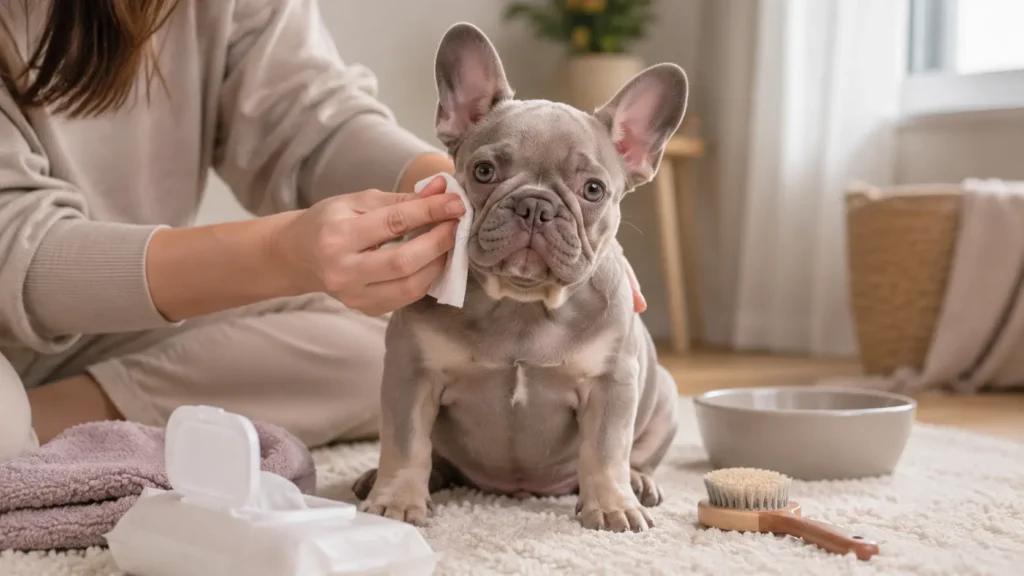
Dry the wrinkles properly
Frenchie wrinkles can trap moisture fast. Clean them gently, then dry them completely.
Avoid heavy fragrance
Scented detergent, fabric softener, perfume sprays, and strong floor cleaners can all irritate sensitive skin.
- Fragrance-free detergent
- Washable bedding
- Gentle cleaning products
- No dryer sheets on dog blankets
Watch the coat like a timeline
Take monthly photos of your lilac Frenchie’s back, sides, ears, and paws. This makes it easier to notice slow coat thinning.
Protect thin coat areas from sun
If the Frenchie has thin fur or bald patches, ask a vet about dog-safe, vet-approved sun protection.
Keep paws and ears on your radar
Frenchie skin issues often show up first in the paws and ears.
- Licking
- Redness
- Brown staining
- Smell
- Wax
- Head shaking
- Chewing feet
Do not experiment too much
When a Frenchie has sensitive skin, it is tempting to try everything: new shampoo, new oil, new supplement, new food, new wipe, or a new TikTok remedy.
But too many changes at once make it impossible to know what helped and what made things worse.
When to See the Vet
Home care is helpful, but it has limits. See a vet if your Frenchie has:
The Verdict: Should You Get a Lilac French Bulldog?
If someone wants a low-maintenance dog, a Lilac French Bulldog is probably not the best match.
But if someone understands the responsibility, chooses a responsible breeder, and stays on top of care, a lilac Frenchie can live a happy, comfortable, deeply spoiled life.
Bottom Line
Lilac French Bulldogs are not automatically unhealthy.
But they are not “just a color” either.
So the honest answer is this: a Lilac Frenchie can be a wonderful dog, but only for someone prepared for careful skin care, smart breeder research, and realistic vet costs.
Do not buy the color. Choose the dog.
Lilac French Bulldog Health FAQs
Here are quick answers to the most common questions buyers and owners ask about lilac French Bulldog health, coat issues, and long-term care.
Are Lilac French Bulldogs less healthy than other Frenchies?
Not always. Lilac French Bulldogs may have a higher risk of certain skin and coat issues, especially Color Dilution Alopecia, but they are not automatically unhealthy. Breeder quality, body structure, breathing, and daily care matter more than color alone.
Do all lilac Frenchies get Color Dilution Alopecia?
No. Not every lilac Frenchie develops CDA. But because lilac is a dilute color, owners should watch for hair thinning, bald spots, flaky skin, and dull coat changes as the dog grows.
What is the main health problem with lilac Frenchies?
The main color-related concern is skin and coat health. CDA, dry skin, allergies, yeast, and secondary infections are the biggest things to watch. However, normal Frenchie issues like BOAS, overheating, and IVDD still apply.
Is a lilac merle French Bulldog riskier?
A lilac merle French Bulldog is not automatically unhealthy, but merle and rare-color breeding require responsible genetics. Avoid breeders who cannot explain health testing, parent history, and coat-color genetics clearly.
Is lilac better than blue in French Bulldogs?
Not necessarily. Lilac and blue are both dilute colors, so both can have skin and coat concerns. The better choice is the healthier dog from the more responsible breeder, not the trendier color.
Are Lilac French Bulldogs recognized by the AKC?
French Bulldogs are recognized by the AKC, but lilac is not one of the standard acceptable show colors listed in the official French Bulldog breed standard. The AKC standard lists acceptable colors such as white, cream, fawn, and combinations of those, while blue, blue fawn, liver, and merle are among disqualifying colors and patterns.
Why are lilac French Bulldogs so expensive?
Lilac French Bulldogs are expensive because the color is rare and in high demand. But a high price does not guarantee good health. Always check breeder ethics, health testing, breathing quality, and parent history.
Can a Lilac Frenchie live a normal life?
Yes. Many lilac Frenchies live happy lives with proper care. The key is early skin monitoring, heat protection, healthy weight, gentle grooming, and regular veterinary support.
Should I buy a Lilac French Bulldog?
Only if you are prepared for the possible extra skin care, vet costs, and breeder research. If you want a low-maintenance dog, a lilac Frenchie may not be the best fit.
Sources Checked
For this guide, we reviewed veterinary and breed-standard references to support the sections on skin, coat color, breathing, spine health, and French Bulldog color standards.
- VCA Hospitals – Color Dilution Alopecia in Dogs Used for information about CDA, dilute coat colors, hair thinning, flaky skin, and when signs may appear.
- Cornell Riney Canine Health Center – Brachycephalic Obstructive Airway Syndrome Used for information about BOAS, flat-faced breeds, breathing difficulty, and overheating risk.
- Cornell Riney Canine Health Center – Intervertebral Disc Disease Used for information about IVDD symptoms, back pain, weakness, and severe warning signs.
- American Kennel Club – Official French Bulldog Breed Standard Used for information about accepted French Bulldog colors and show-standard color disqualifications.

The information provided on The Breed Expert is for general educational and informational purposes only. It is not intended as a substitute for professional veterinary advice, diagnosis, or treatment. Always consult your veterinarian if your French Bulldog shows persistent itching, hair loss, raw skin, bleeding, swelling, bad odor, breathing difficulty, limping, back pain, overheating, or any sudden change in health.